

You don’t need a complicated grooming routine to look sharp. You need a few things done properly and, more importantly, done on time. Hair that doesn’t grow out of shape, facial hair that looks intentional instead of accidental, skin that doesn’t look ignored, and hygiene that doesn’t slip by the end of the day. The difference isn’t effort—it’s attention. Most men don’t look unkempt because they lack products; they look that way because they stop noticing small changes until they become obvious.
If you actually pay attention to how people look in everyday life—not curated photos, not influencers, just normal settings—you start noticing something interesting. The guys who look put together aren’t doing anything complicated. There’s no visible system behind it, no sense that they spent a lot of time figuring things out. At the same time, nothing about them looks neglected. That balance is what most advice completely misses.
Hair is the easiest place to see how things go wrong. Nobody suddenly looks bad because of their haircut. It fades slowly. The first week after a cut, everything sits right. The shape is clean, the sides are controlled, and your face looks sharper without you thinking about it. Then it starts growing out. At first it’s barely noticeable, then it gets slightly heavier around the edges, then the structure softens. By the time it actually looks off, you’ve already adjusted to it. That’s why people keep walking around with hair that technically isn’t terrible but clearly isn’t helping them either. The practical fix isn’t complicated, but it requires paying attention. You don’t wait until it looks bad. You figure out when it starts losing shape—maybe after ten days, maybe two weeks—and you work around that. That one adjustment alone changes how consistent you look.
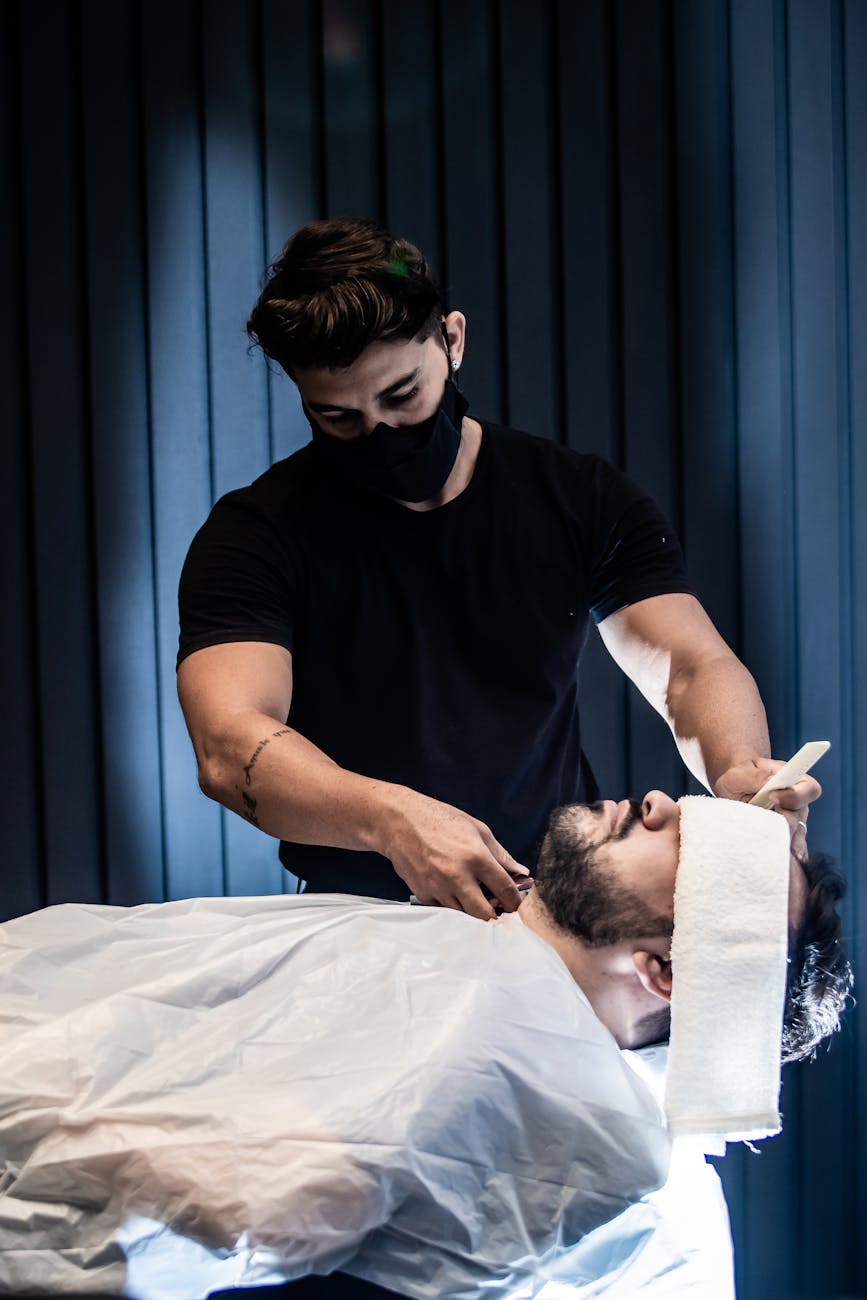
Facial hair follows the same pattern but tends to get ignored even longer because people get attached to it. There’s this assumption that having a beard automatically improves appearance, but in reality, a beard only works when it looks controlled. Once it starts growing unevenly, blending into the neck, or losing any clear shape, it stops adding anything. It just sits there. The problem is, that transition isn’t dramatic. It happens gradually, which makes it easy to ignore. If you’re keeping a beard, you have to treat it like something that needs regular correction, not something that takes care of itself. If you don’t want that effort, then it’s better to keep it short enough that it always looks deliberate. That undefined middle stage is where most people stay, and it never looks as good as they think it does.
Skin is where people either overcomplicate things or pretend it doesn’t matter. You don’t need a shelf full of products, but you also can’t ignore it completely and expect it to look fine. Most of the time, the issue isn’t severe—it’s just that the skin looks tired, slightly oily, or dull by the end of the day. That doesn’t require a complex solution. It requires basic consistency. Washing your face properly, not letting sweat and dirt sit for hours, and actually noticing when your skin doesn’t look the way it should. People don’t notice “good skin” in a dramatic way, but they definitely notice when it looks off. That’s the difference you’re managing.
What quietly affects everything is hygiene over time, not just at the start of the day. Most people leave the house clean, but they don’t think about how they look or feel a few hours later. Clothes lose freshness, the body feels heavier, the face looks more worn. When that becomes a daily pattern, it changes your overall presence without you realizing it. Resetting properly—daily, without shortcuts—is one of those things that sounds obvious but is often done half-heartedly. And when it’s done half-heartedly, everything else you do loses impact.
The underlying issue in all of this is awareness. Not routines, not products—just the ability to notice when something is slightly off before it becomes obvious. Most men operate on habit. If nothing feels wrong, they assume everything is fine. That’s how small things build up. Hair goes a little out of shape, beard loses definition, skin looks a bit dull, and none of it feels urgent enough to fix. But together, it creates a version of you that looks less sharp than it could.
The reason most grooming advice feels useless is because it either tells you things you already know or pushes you into doing too much. What actually works sits in a much simpler space. You pay attention earlier, you fix things before they become noticeable, and you stay consistent with basic actions instead of waiting for visible problems. That’s what creates the difference people notice, even if they can’t explain why.
Discover more from MenVice
Subscribe to get the latest posts sent to your email.